Amir Simmons · 30 September 2026
How Water-Powered Mills Continue Shaping Daily Life and Local Economies in Slovenia's Remote Alpine Valleys
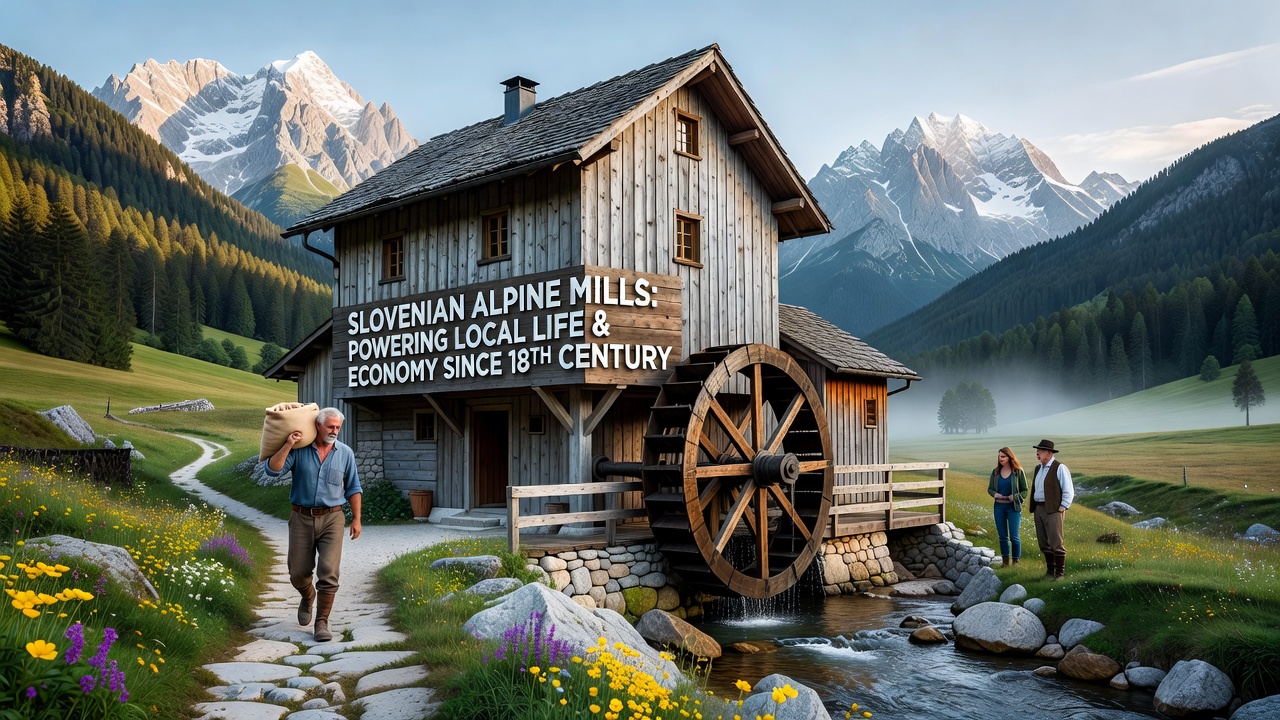
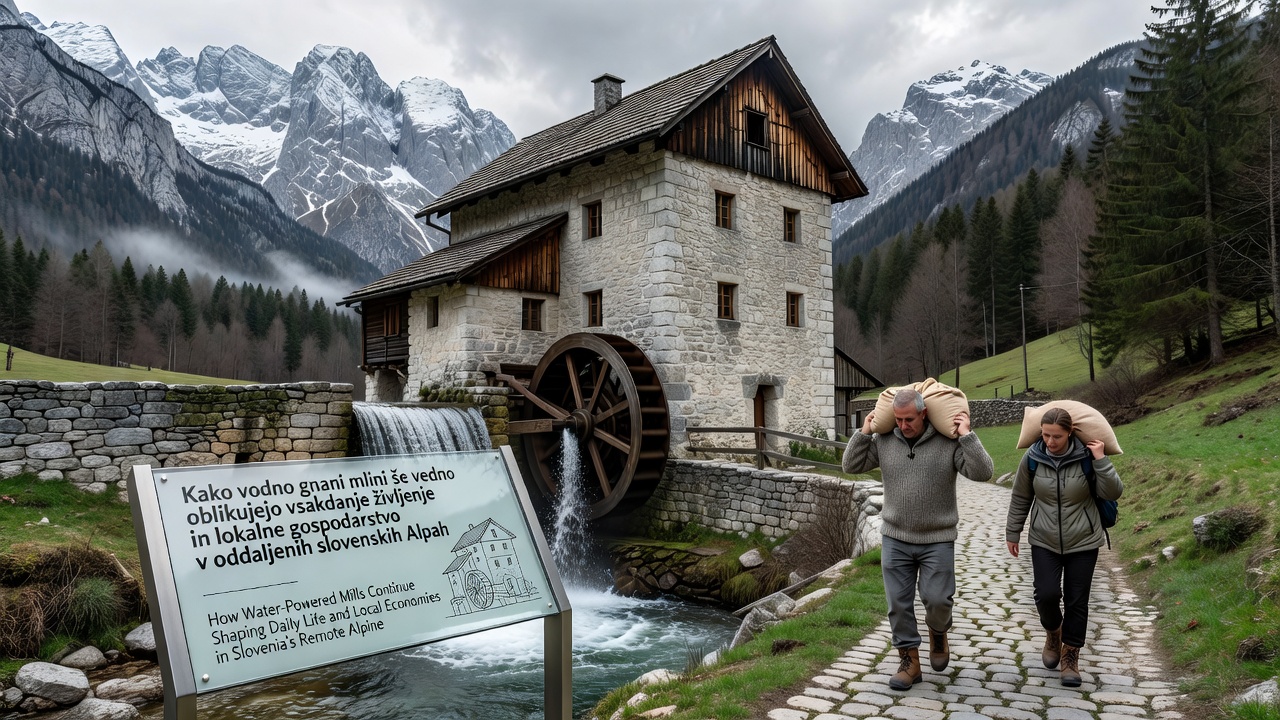
Water-powered mills in Slovenia's remote Alpine valleys maintain steady operations that support local agriculture and small-scale production while preserving centuries-old techniques that rely on natural water flows from mountain streams. These structures, often located along rivers in areas such as the Solčava region and the upper Savinja Valley, harness kinetic energy from fast-moving currents to drive grinding mechanisms for grain, herbs, and timber, and communities in these isolated settlements continue to depend on them for daily processing needs because modern infrastructure remains limited due to terrain challenges.
Historical Foundations and Modern Adaptations
Traditional water mills first appeared in these valleys during the medieval period when settlers established settlements near reliable water sources, and over time the technology evolved to include both grain mills and sawmills that processed local timber for construction and heating. Data from Slovenian heritage records shows that many of these sites received protected status in the 20th century, which encouraged owners to maintain the original water wheels and wooden gearing systems rather than replace them with electric alternatives. Researchers at institutions studying Alpine cultural landscapes note that the combination of steep gradients and consistent precipitation creates ideal conditions for year-round water flow, allowing mills to operate without supplemental power sources during most seasons.
Maintenance crews perform regular inspections on wooden components and water channels each spring, while operators adjust sluice gates to manage seasonal variations in river levels, and this hands-on approach keeps the equipment functional without requiring large capital investments that would burden small family-run businesses. Observers note that some mills have incorporated minor upgrades such as metal reinforcements on axles, yet the core water-driven principle remains unchanged from designs documented in 18th-century records.
Role in Daily Life for Valley Residents
Residents in these remote communities often bring their harvested grains and dried plants to nearby mills for processing on scheduled days, which reduces transportation costs over narrow mountain roads and supports self-sufficiency in food production. Families report that fresh flour produced on-site retains better baking qualities compared to commercially transported alternatives, and this practice integrates directly into household routines where baking bread or preparing traditional dishes forms part of weekly activities. Local schools sometimes organize educational visits to operational mills so students learn about mechanical principles and water management through direct observation rather than textbooks alone.
During winter months when snow blocks access to larger towns, the mills provide essential services that keep households supplied with basic staples, and this reliability strengthens social networks among neighbors who coordinate milling schedules together. Health data collected by regional authorities indicates that communities with active mills show higher rates of home-grown food consumption, which correlates with traditional dietary patterns passed down through generations.
Economic Contributions to Local Communities
Small enterprises centered around these mills generate supplementary income through sales of specialty flours, herbal products, and wooden crafts made from processed timber, and tourism operators promote mill visits as part of cultural tours that attract visitors interested in sustainable practices. Figures from Slovenian statistical offices reveal that areas with preserved water mills experience measurable growth in agritourism revenue compared to similar valleys without such attractions, because travelers seek authentic experiences that connect them to historical methods of production. Mill owners collaborate with regional cooperatives to market products at seasonal markets, which expands distribution channels while maintaining control over pricing and quality standards.
Employment opportunities arise not only from direct mill operations but also from related activities such as guided demonstrations, equipment repairs, and supply chain services for raw materials, and these jobs help retain younger residents who might otherwise migrate to urban centers for work. In September 2026 the annual Alpine Heritage Festival will feature live demonstrations at several valley mills, drawing participants who contribute to temporary economic boosts through lodging, dining, and souvenir purchases according to event planning documents from local tourism boards.
Environmental and Cultural Integration
Water-powered systems produce minimal emissions compared to diesel or electric alternatives, and this aligns with broader European Union goals for reducing carbon footprints in rural development zones, according to reports from the European Environment Agency. Operators manage water intake to avoid disrupting aquatic habitats, and monitoring programs track fish populations near mill sites to ensure balanced usage of river resources. Cultural preservation efforts receive support from national programs that fund documentation projects and apprentice training, which passes technical knowledge to new generations of operators.
Academic studies conducted by universities in neighboring Alpine countries have examined how these mills contribute to biodiversity corridors by maintaining traditional landscapes that support pollinators and native plant species, and the findings highlight connections between mechanical heritage and ecological stability in high-altitude environments. Local governments coordinate with mill associations to balance economic use with conservation requirements, creating frameworks that sustain both the structures and the surrounding ecosystems.
Conclusion
Water-powered mills in Slovenia's remote Alpine valleys demonstrate ongoing functionality that supports daily routines, agricultural processing, and tourism-driven economies through consistent application of historical engineering adapted to modern needs. Continued operation depends on community involvement, seasonal maintenance, and integration with cultural events that reinforce their relevance into future years, while data from multiple monitoring sources confirms their measurable effects on local livelihoods and environmental balance.