Taylor Zimmermann · 25 November 2026
Tracing Relics of Medieval Charcoal Production Sites Across Slovenia's Northern Alpine Woodlands
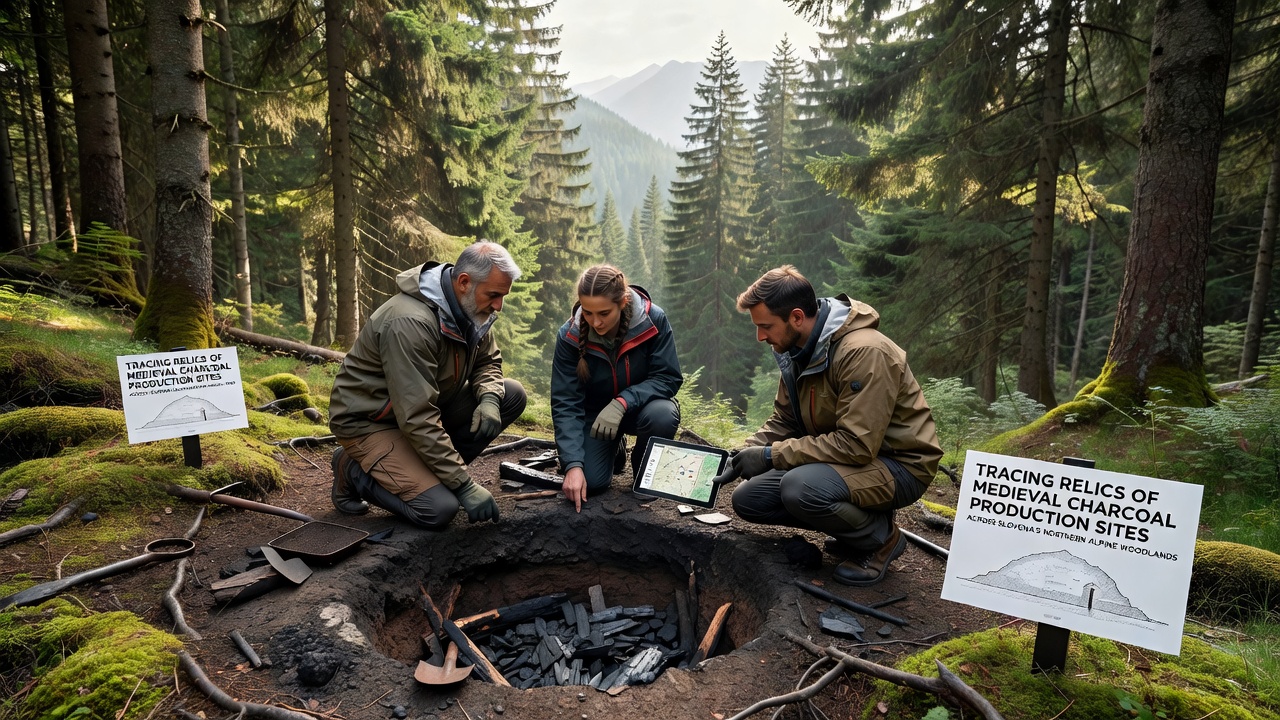
Medieval charcoal production formed a backbone of industrial activity across Slovenia's northern Alpine woodlands, where dense forests supplied raw materials for iron smelting and other crafts that supported regional economies from the 12th through 15th centuries. Sites appear as subtle earthworks, soil discolorations, and scattered fragments of kiln structures that researchers map through systematic surveys in areas like the Kamnik-Savinja Alps and the eastern fringes of the Julian Alps. These remnants mark locations where communities converted hardwood into fuel using pit kilns and mound methods that left behind carbon-rich layers still detectable centuries later.
Historical Context of Charcoal Making in the Region
Charcoal burners operated seasonally in remote woodland zones to meet demands from nearby bloomeries and forges, and records from monastic archives plus tax ledgers indicate production peaks during periods of expanded metalworking in the 13th and 14th centuries. Workers stacked timber in circular pits, covered it with soil and turf, then ignited controlled fires that lasted several days; the resulting charcoal traveled by mule or cart to valley settlements. Soil chemistry analyses at excavated locations reveal elevated charcoal concentrations and altered pH levels that distinguish these features from natural forest floor accumulations.
Identification and Survey Techniques
Archaeologists combine LiDAR mapping with ground-penetrating radar and targeted test pits to locate buried platforms and charcoal hearths that often measure between 3 and 8 meters in diameter. Field teams working in the northern woodlands note that many sites cluster near old trackways or stream beds that once provided access and water for fire management. Carbon dating of wood fragments and associated artifacts places most activity between 1200 and 1450 CE, while pollen studies from adjacent bogs show corresponding drops in mature oak and beech stands followed by regrowth patterns.
Key Sites and Regional Distribution
Concentrations appear in the Solčava region and around the upper Savinja Valley, where woodland clearings preserve clusters of up to twenty individual production features within a single square kilometer. One documented cluster near the border with Austria yielded iron slag alongside charcoal residues, confirming direct links to local metallurgy. Similar patterns emerge in the Mežica Valley woodlands, where surveys conducted through 2025 have added dozens of new entries to heritage inventories. Observers note that elevation plays a consistent role, with most platforms situated between 800 and 1200 meters above sea level to balance forest access and transport logistics.
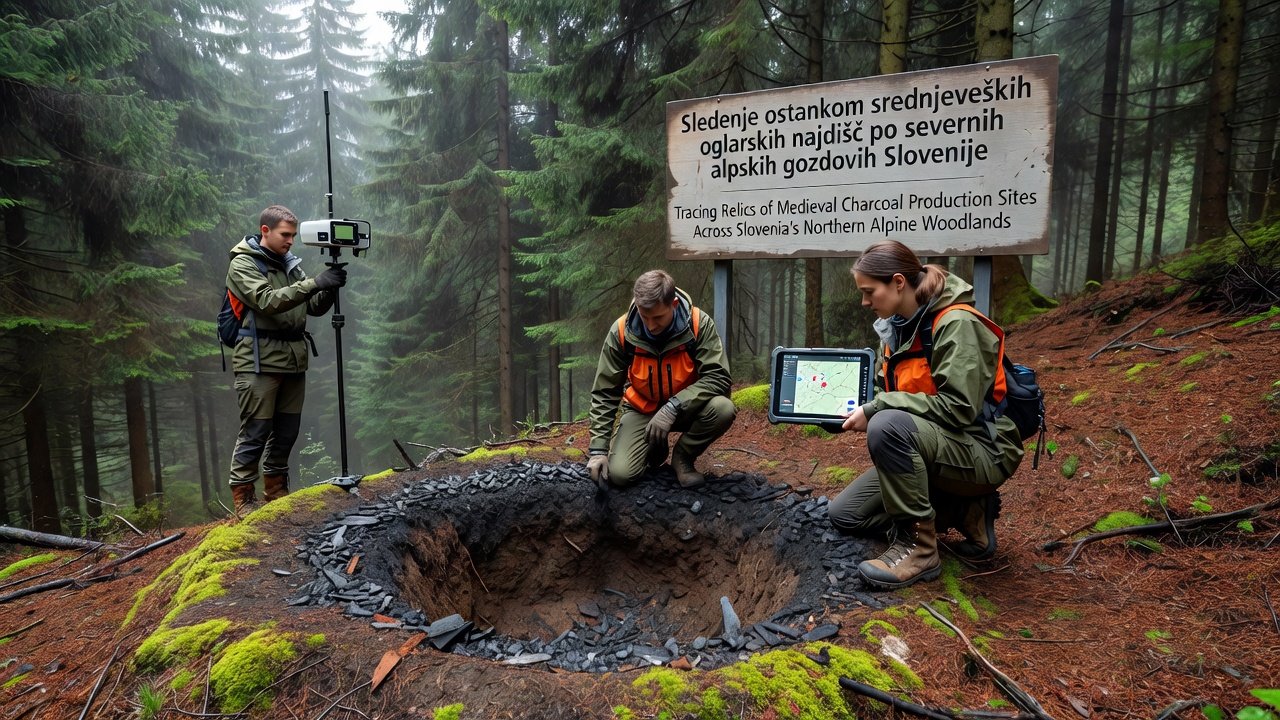
But here's the thing: many features remain hidden under modern spruce plantations that replaced earlier mixed forests, which complicates detection until logging or erosion exposes them. Teams from the Institute for the Protection of Cultural Heritage of Slovenia continue cataloging these locations as part of broader landscape archaeology projects that integrate historical maps with contemporary remote sensing data. Institute for the Protection of Cultural Heritage of Slovenia reports list over 180 confirmed charcoal-related sites across the northern Alpine zone as of late 2025, with additional verification campaigns scheduled to begin in November 2026.
Material Evidence and Preservation Challenges
Excavated hearths often contain layered ash, partially burned timber, and occasional tools such as iron hooks or wooden shovels preserved in anaerobic pockets. Researchers compare these assemblages with similar sites documented in the Austrian Tyrol and Italian Friuli regions to trace shared technological traditions across the eastern Alps. Preservation varies with soil type; limestone-derived soils in the northern woodlands tend to retain structural outlines better than acidic granite areas, where leaching accelerates feature degradation. Ongoing monitoring programs track visitor impact at accessible sites and recommend seasonal restrictions during wet periods when foot traffic disturbs fragile soil horizons.
Integration with Broader Heritage Studies
Data from these charcoal platforms feed into studies of medieval resource management and forest regeneration cycles that lasted several generations after production ceased. University-led projects have examined how charcoal sites influenced later pasture development and trail networks still used today. Evidence suggests production declined sharply after the introduction of coke in the 16th century, leaving the woodland relics as fixed markers of earlier economic patterns. Cross-referencing with dendrochronological records from standing timber helps reconstruct harvest pressures that shaped the current forest composition.
Conclusion
Systematic tracing of these medieval production sites continues to refine understanding of how woodland industries operated within Slovenia's northern Alpine landscapes, connecting scattered earthworks into coherent historical networks. Field data accumulated through 2025 and planned verification work beginning November 2026 will expand the documented inventory and support conservation planning that balances heritage protection with ongoing forest management. The physical traces endure as tangible links to centuries-old practices that once powered regional metalworking economies.