Taylor Zimmermann · 16 September 2026
Uncovering the Ecological Impact of Traditional Beekeeping in Slovenia's Alpine Regions
Traditional beekeeping practices in Slovenia's Alpine regions have shaped local ecosystems for generations, with the native Carniolan honey bee serving as a central species in pollination networks across mountainous terrain. Researchers document how these methods integrate with the landscape through apiaries placed at various elevations, where hives support both managed colonies and wild pollinator communities. Data from field observations indicate that the placement of hives near meadows and forests influences nectar collection patterns and contributes to seed dispersal for native plant species.
Historical Context and Regional Practices
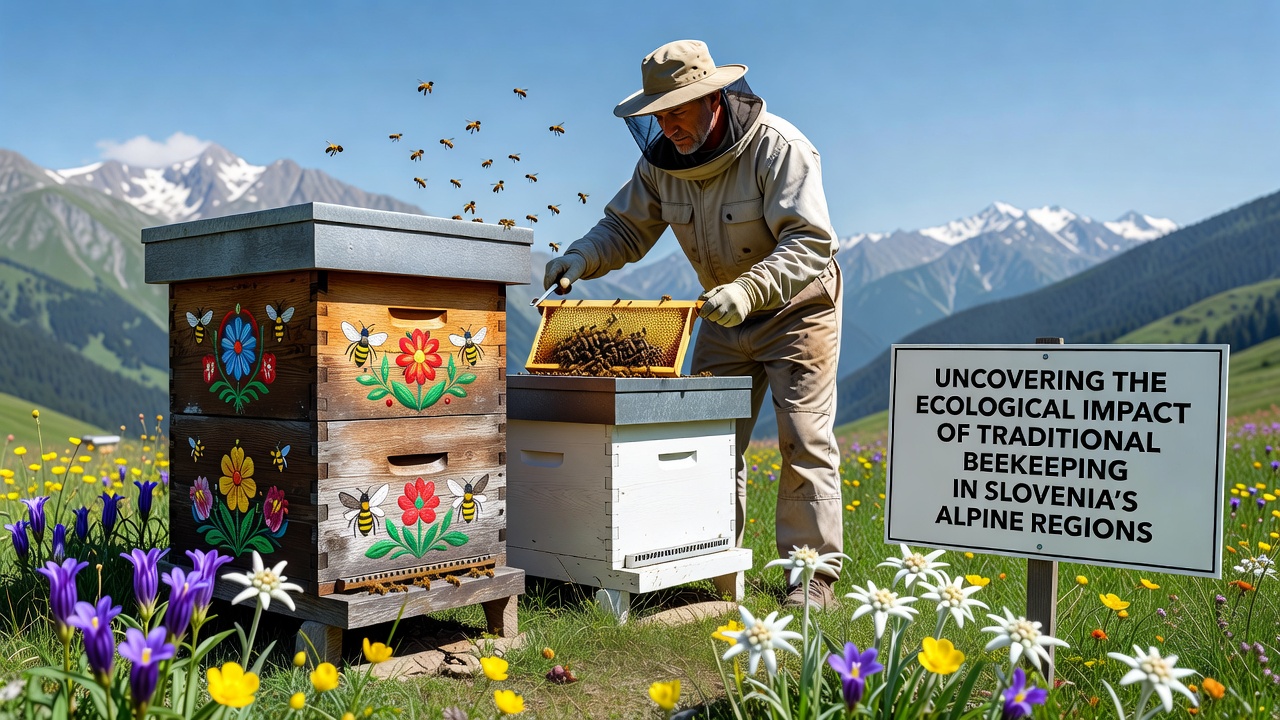
Beekeeping in Slovenia dates back centuries, with Alpine communities developing specialized hive designs that withstand harsh winters and variable weather conditions at higher altitudes. Observers note that these structures often feature painted motifs and modular construction, allowing beekeepers to monitor colony health without excessive disturbance. Studies conducted by regional agricultural institutes reveal that such techniques maintain genetic diversity within bee populations while adapting to seasonal changes in forage availability.
Alpine valleys provide diverse floral resources throughout the growing season, from early spring blooms at lower elevations to summer wildflowers in higher pastures. Experts have recorded how traditional management avoids chemical treatments common in other commercial operations, which in turn affects soil and water quality around apiary sites. Figures from environmental monitoring programs show reduced pesticide residues in areas where these methods predominate compared to more intensive agricultural zones.
Pollination Services and Biodiversity Effects
Pollination by managed bees supports crop yields and wild plant reproduction in the Alpine zone, where growing seasons remain short and weather unpredictable. Research indicates that colonies positioned strategically contribute to the reproduction of species such as alpine clover and various berry shrubs, which form critical components of local food webs. Those who study habitat connectivity point out that beekeeping sites frequently overlap with protected areas, creating corridors for insect movement between fragmented habitats.
Yet interactions between managed and wild pollinators require careful examination, since competition for resources can occur during peak flowering periods. Data collected over multiple seasons demonstrate that traditional practices, which limit hive density, tend to minimize such pressures while sustaining overall insect diversity. One study revealed that areas with established apiaries showed stable populations of solitary bees and hoverflies alongside honey bee activity.
Environmental Monitoring and Emerging Data
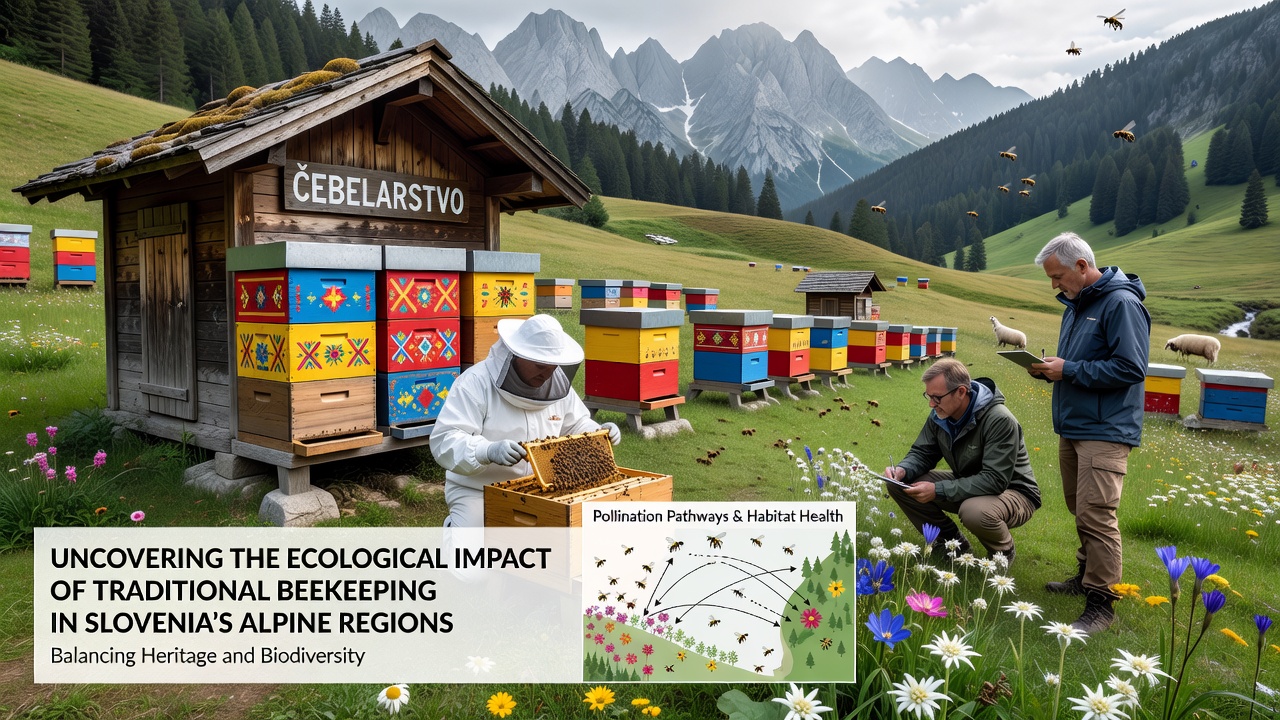
Long-term monitoring efforts track variables including colony survival rates, parasite loads, and changes in surrounding vegetation. According to reports from the European Environment Agency, pollinator health metrics in the Alps reflect both climate influences and land management choices. Beekeepers in these regions participate in surveillance networks that collect samples for analysis of pathogens and environmental contaminants.
What's interesting is how elevation gradients create distinct microclimates that affect bee foraging ranges and overwintering success. Evidence suggests that traditional hive insulation methods help colonies endure temperature fluctuations, while also preserving the genetic traits of the Carniolan subspecies adapted to mountainous conditions. A university-led project in the region has compiled datasets showing correlations between apiary locations and increased floral abundance in adjacent meadows over five-year intervals.
Upcoming Developments in September 2026
Plans for September 2026 include the release of updated ecological assessments covering pollinator networks across Slovenia's Alpine national parks and surrounding buffer zones. These evaluations will incorporate satellite imagery alongside ground surveys to map changes in vegetation cover and hive distribution patterns. Participants from multiple research institutions will review findings on how traditional practices intersect with broader conservation goals set by the Alpine Convention framework.
Additional workshops scheduled during that period will focus on integrating beekeeper observations with new sensor technologies for real-time environmental data collection. Such initiatives build on existing collaborations between local associations and international partners, expanding the scope of available information about ecosystem responses to sustained beekeeping activity.
Conclusion
Traditional beekeeping continues to intersect with ecological processes throughout Slovenia's Alpine regions through established practices that support both agricultural needs and habitat maintenance. Available data highlight measurable contributions to pollination while underscoring the importance of ongoing monitoring to track long-term trends. Future assessments scheduled around September 2026 will provide further clarity on these dynamics as conditions evolve.